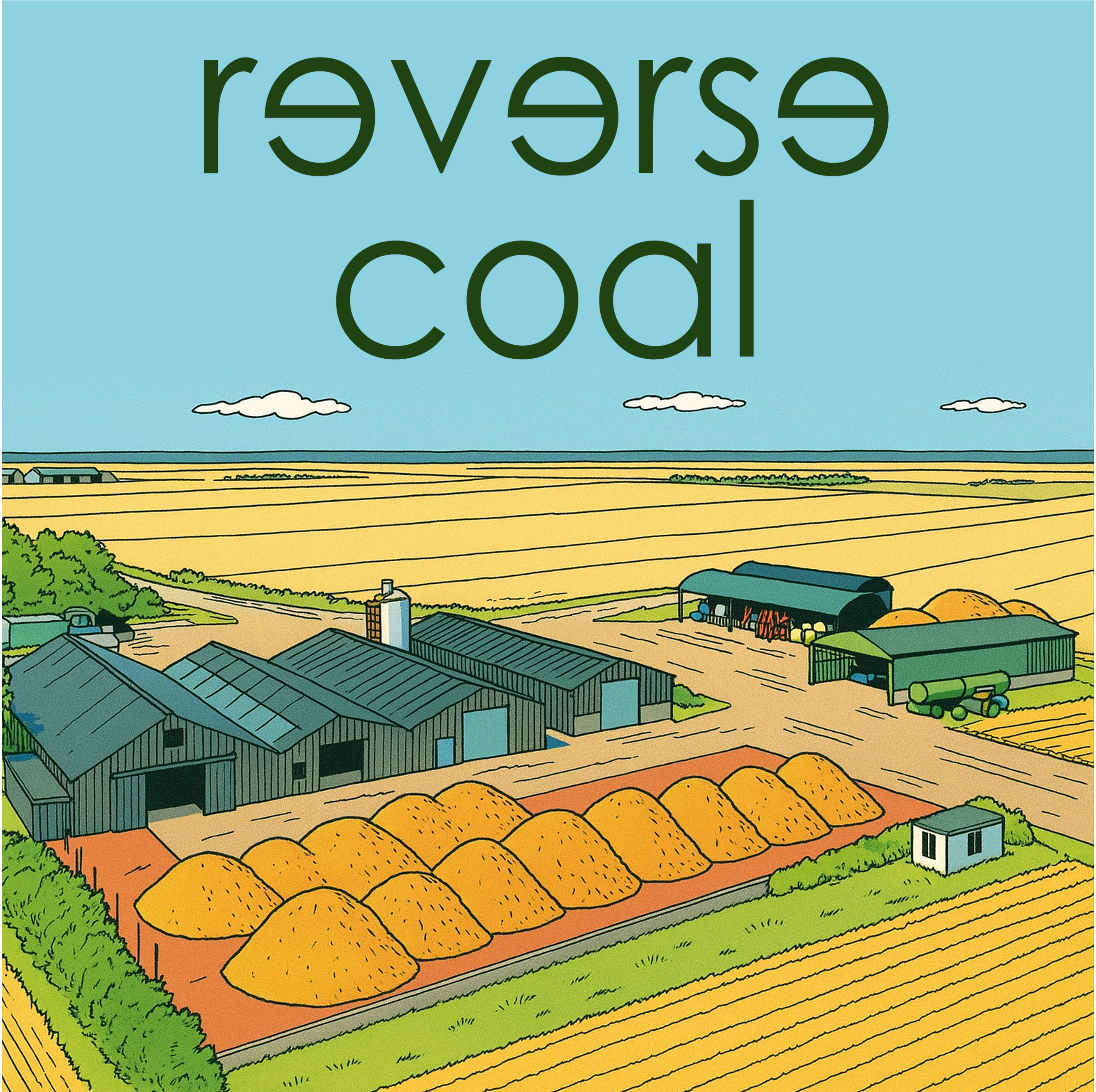
An engineered natural solution that removes carbon from the atmosphere and returns it to the ground for long-term storage.
We rewet lowland peat, grow short rotation coppice willow and convert the harvest into biochar and renewable energy. The biochar locks carbon back in the ground; the heat and power drive controlled environment agriculture for year-round, sustainable food.
Supported by and working with
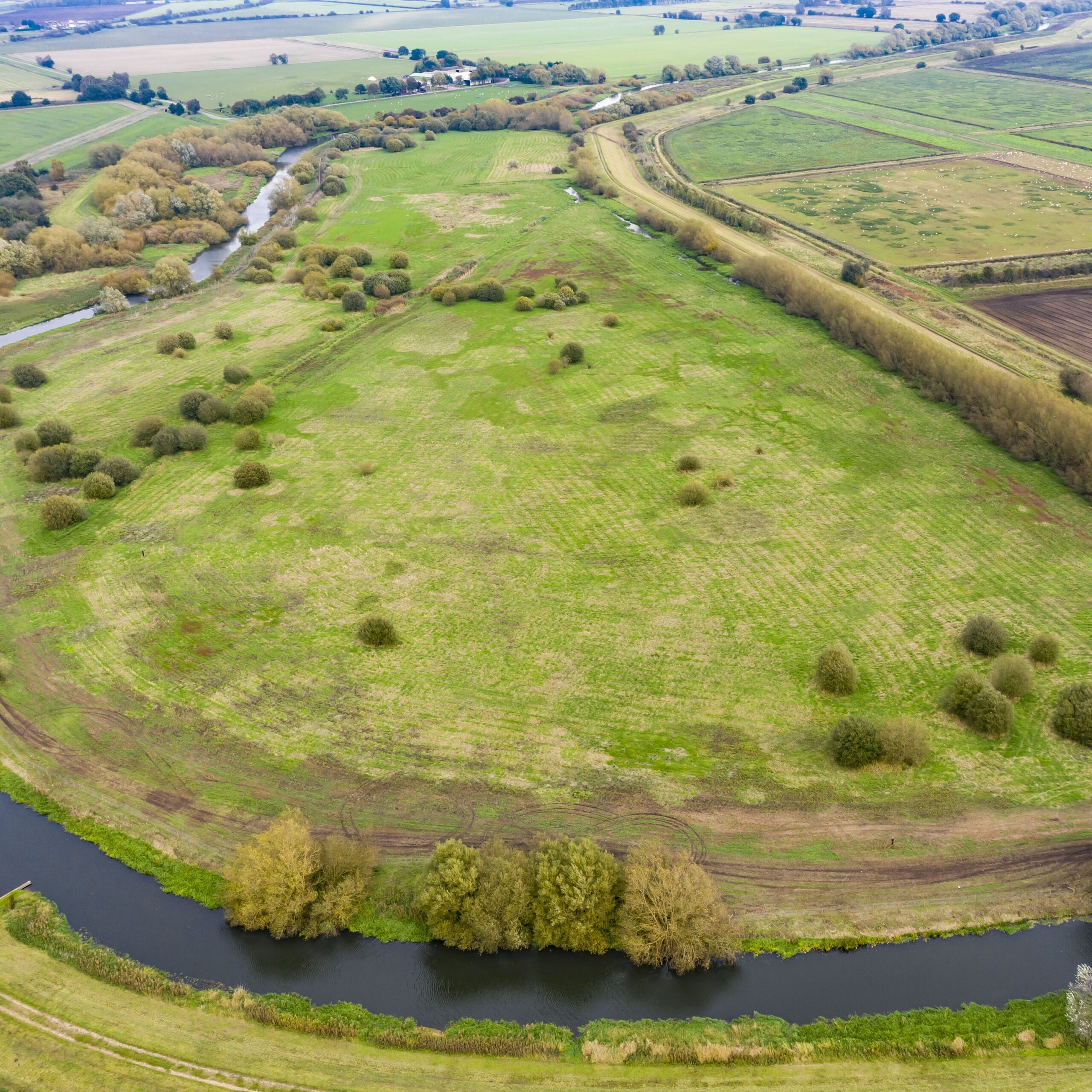
Rewetting drained peat stops ongoing emissions and returns the land to a vibrant wetland, close to its pre-drained state.
Biochar is a stable, carbon-rich solid. Returned to the ground, it keeps carbon out of the atmosphere for the long term.
Pyrolysis recovers high-grade heat and power from sustainably grown willow biomass.
That energy powers controlled environment agriculture, enabling year-round production of high-quality food.
Part of a wider move towards a primary agricultural model that cuts carbon without cutting food production.
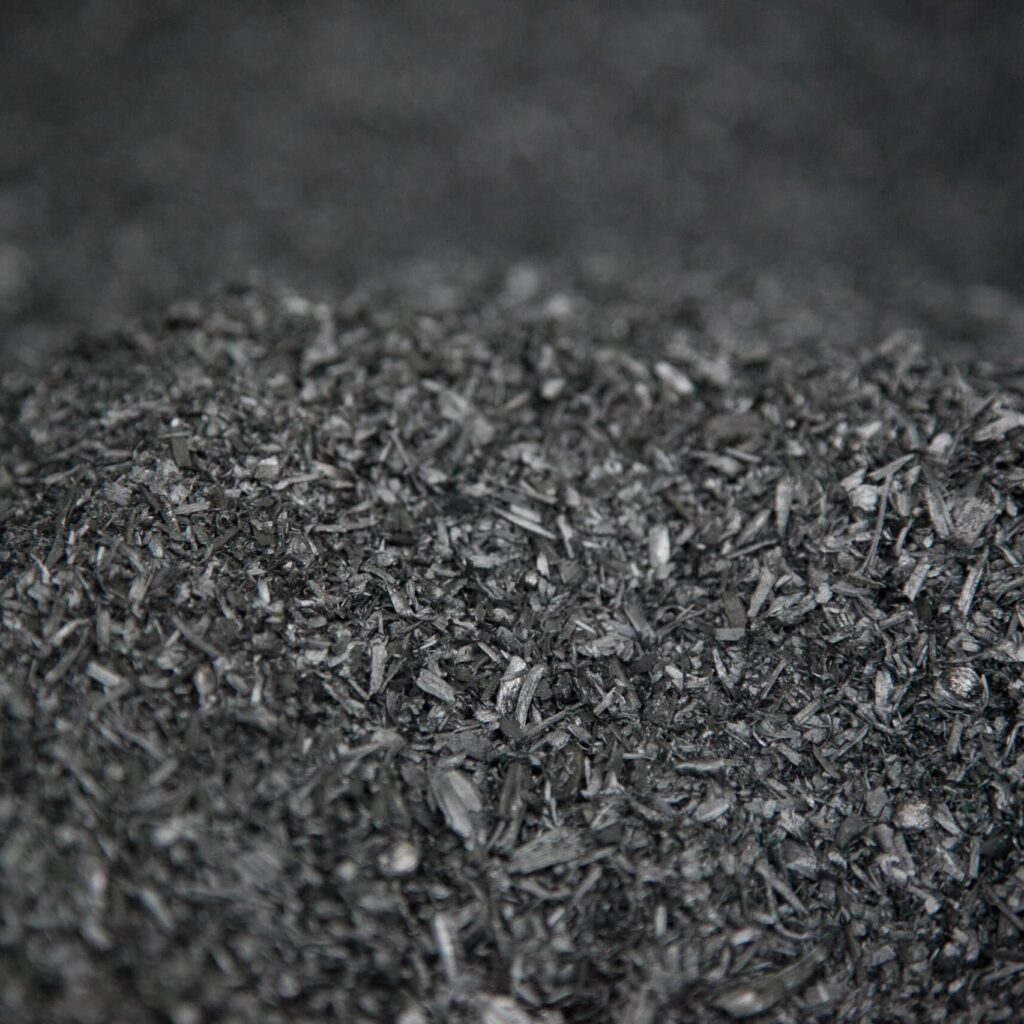
Biochar is produced by heating biomass in a low-oxygen environment (pyrolysis). It is chemically similar to charcoal and shares some structural characteristics with coal, but it is made from recently grown biomass rather than fossilised carbon.
Each stage delivers its own benefit, from habitat and flood mitigation through to carbon removal and food production.
Raising the water table on lowland peat halts carbon loss and brings back fenland habitat.
outcome habitat & flood mitigationShort rotation coppice willow thrives in wet ground, drawing down CO₂ and regrowing after each harvest.
outcome sustainable biomassHarvested willow is heated without oxygen, producing biochar alongside renewable heat and power.
outcome biochar & energyBiochar goes back into the ground, and the energy powers controlled environment agriculture.
outcome carbon storage & foodThe Reverse Coal approach benefits both people and the environment, contributing to a wave of national policy objectives at once.
explore objectivesLapwing Energy is the renewable energy division of The Lapwing Estate, exploring how the Estate can make a positive environmental impact without reducing food production from the land. Reverse Coal was part of the DESNZ Direct Air Capture and other Greenhouse Gas Removal technologies competition.
Researchers, industry, landowners and policymakers: we'd like to hear from you.
contact us